△ Learn · 27 Nov 2026 · 2 min read
Games that teach: designing for learning
 By DR LAAK · Laak Richard Games
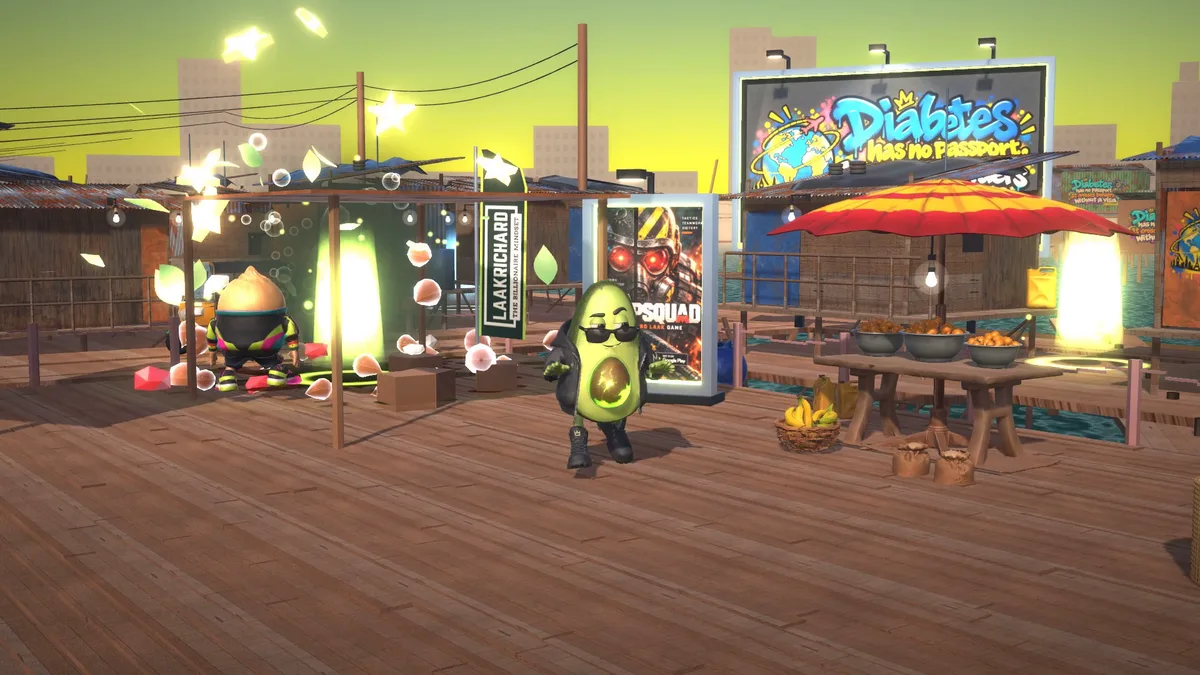
The best learning games teach through the rules of play, not through text boxes, so players learn by doing and remember it. Mina's Quest teaches healthy eating this way, and the same method works for any subject.
Put the lesson in the mechanics
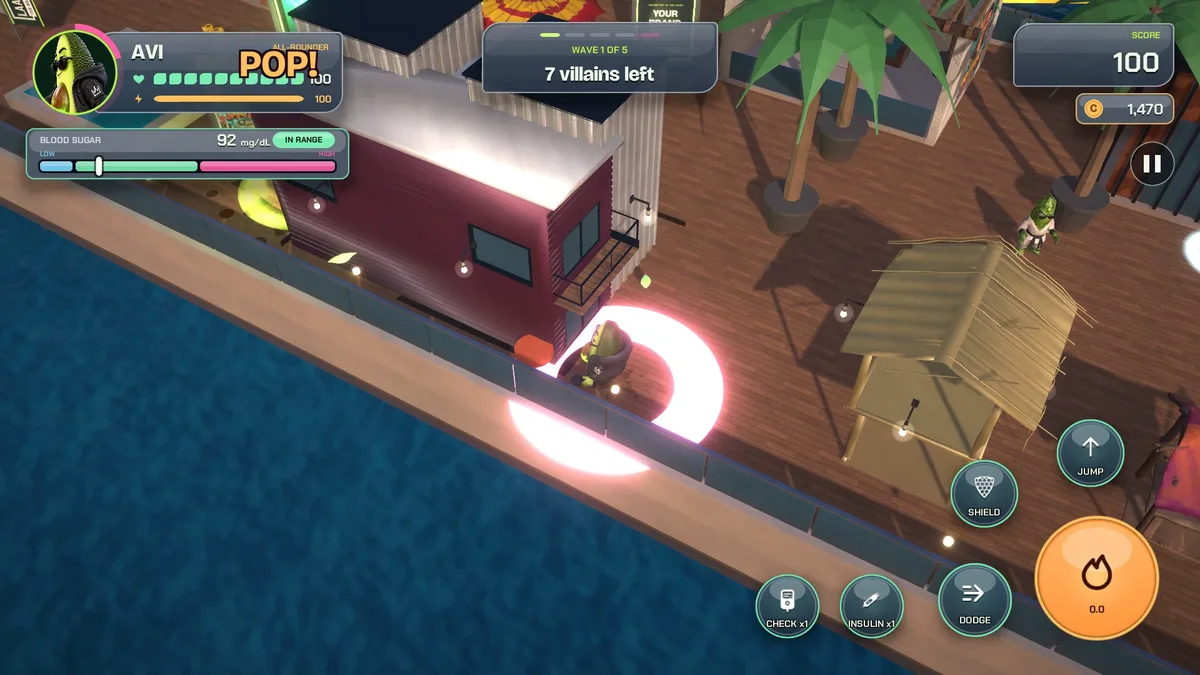
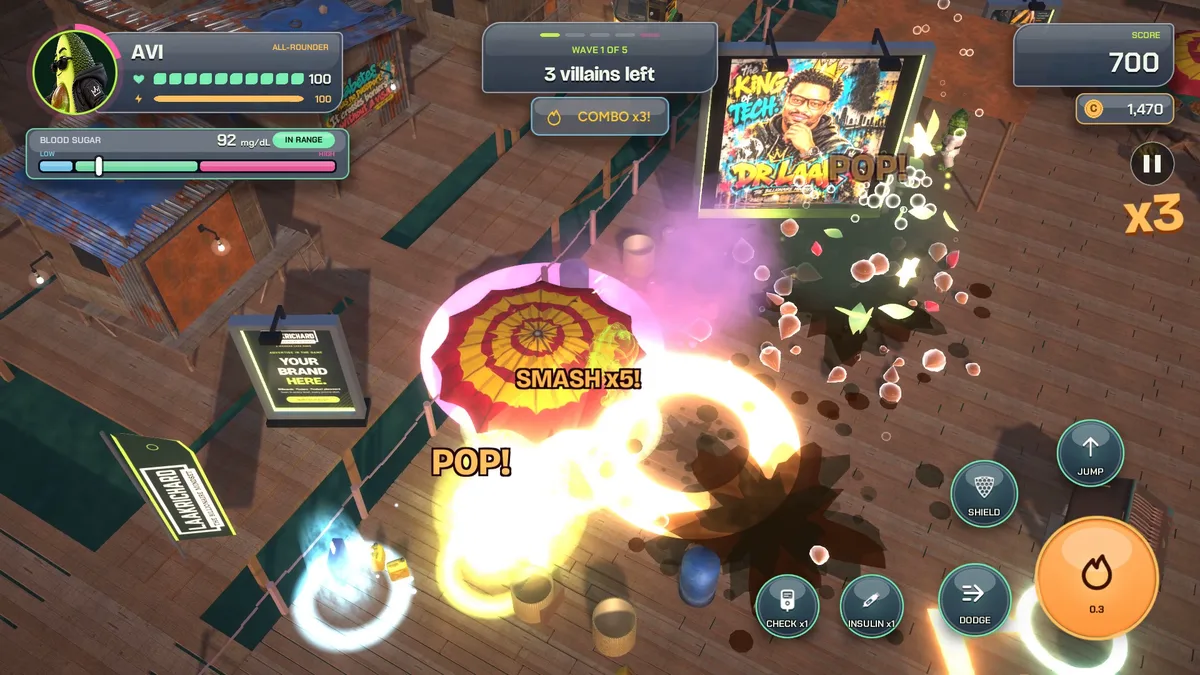
In Mina's Quest, healthy food heroes fight sugary villains, and a balance meter rewards healthy choices. Players learn that sugar has consequences because the game shows it, not because a pop-up says it. Ask yourself: what action in my game is the lesson?
Keep it fun first
If the game is not fun, nobody learns from it. Mina's Quest is an action game with combos, waves and bosses. The learning rides on top of a game players want to play.
Use characters as teachers
Memorable characters carry messages better than facts. Food heroes with personality make healthy food something players root for.
Give fast feedback
Every choice should show its result within seconds. Fast feedback is how players connect cause and effect.
Respect the facts
A learning game must be accurate. Check the lesson with experts, keep claims simple, and avoid medical advice in the game.
Measure what players learn
Ask testers what they learned after playing. If they cannot say it in one sentence, adjust the design.
Build your own
Our course at laakrichardgames.com/learn shows how to plan, build and publish games, including learning games.
Frequently asked questions
What subjects work as games?
Almost any: health, maths, money, history, languages. Find the action that represents the lesson.
Can teachers use Mina's Quest in class?
Yes, as a discussion starter about healthy eating.
Do learning games sell?
Yes, especially with schools, NGOs and parents. See our post on the edu-games market.